Overview

Home
Overview
People
Projects
Publications
Links


Phosphoinositide Signaling:

We are beginning to understand how inositol lipid biosynthesis is regulated in plants and what cellular processes are intertwined with the metabolism of phosphoinositides. Research in our laboratory is focused on elucidating regulation of the inositol lipid kinases and their role in limiting the flux through the phosphoinositide (PI) pathway in plants. We have developed molecular and biochemical tools to study the inositol lipid kinases in vivo and in vitro. Our specific aims are to understand how plasma membrane and other cellular PtdIns4P and PtdIns(4,5)P2 pools are generated and how these pools affect plant responses to a changing environment. This research is currently funded by the National Science Foundation and in part by the NC Agricultural Research Service.

Redesigning Plants For Increased Stress Tolerance Using Genes From Extremophiles:

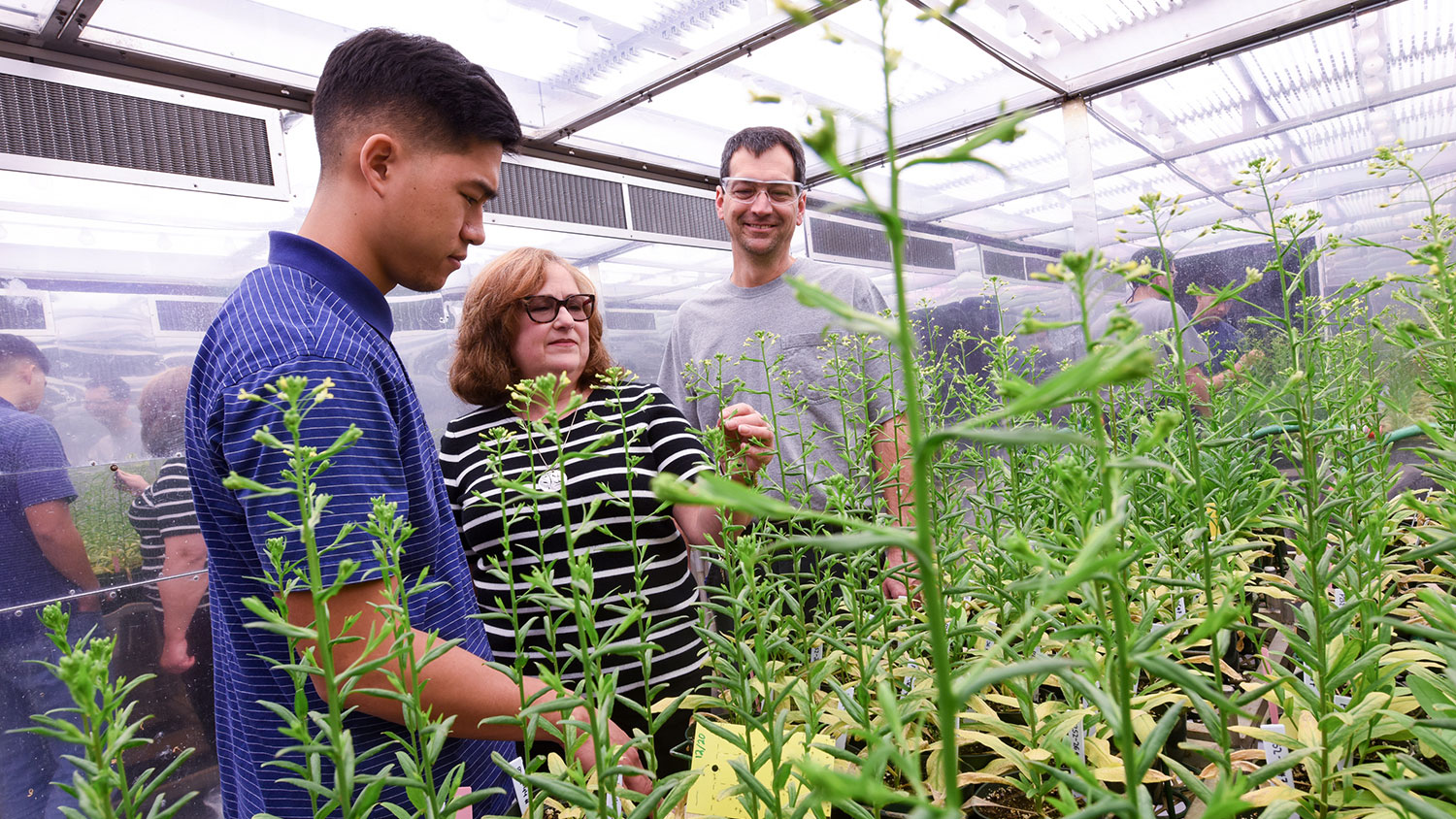
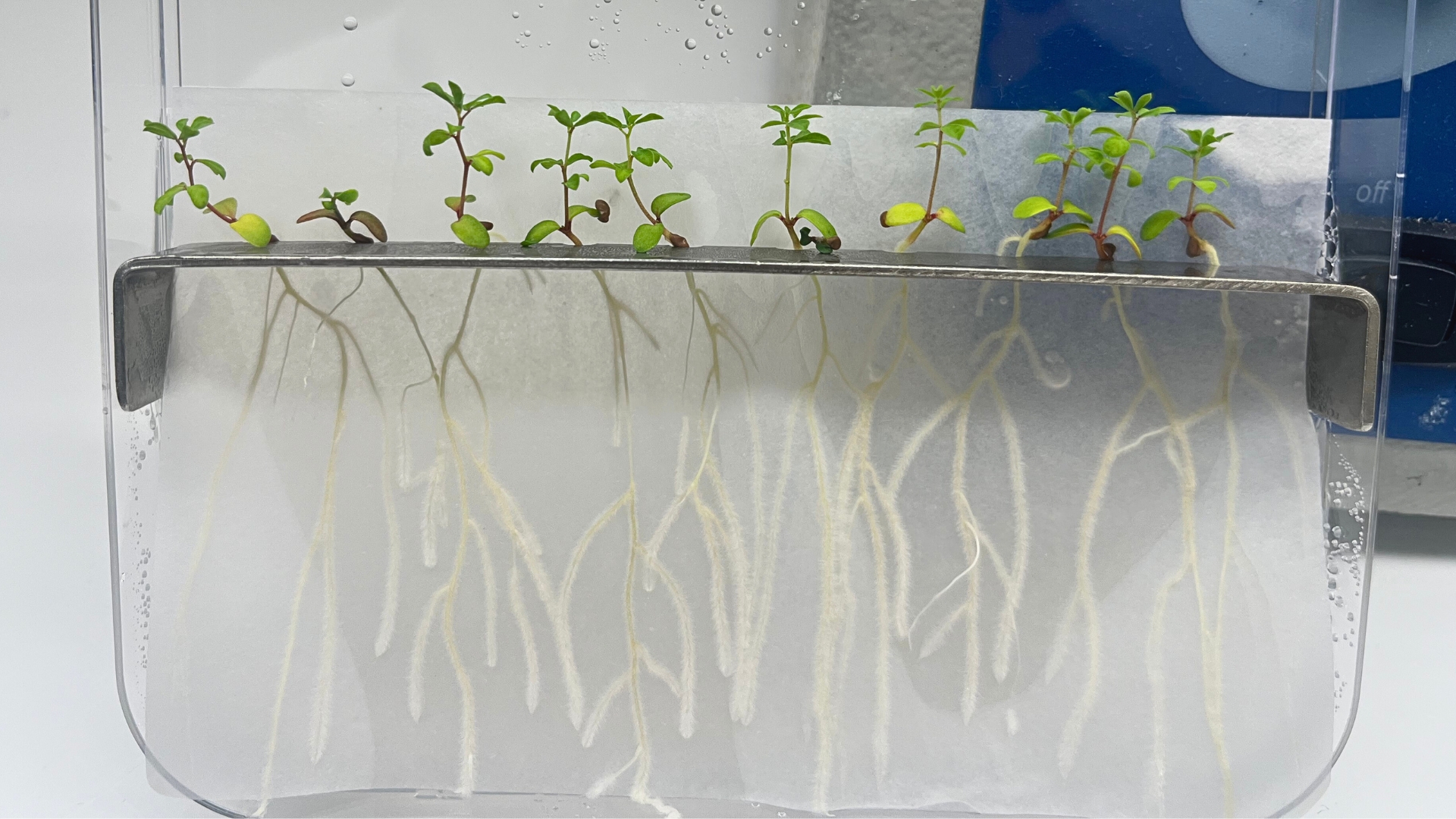
The second major project began with a focus on synthetic biology. The project is funded by the NASA Institute for Advanced Concepts. Our goal is to redesign plants to withstand increased stress by expressing genes from extremophiles. This is a collaborative project with Dr. Amy Grunden in Microbiology. We have expressed in plants one of three superoxide reductase (SOR) pathway genes from Pyrococcus furiosus. The SOR pathway is a more effective and efficient pathway for removing reactive oxygen species (ROS) than the endogenous, plant pathways and the SOR pathway enzymes are functional over a broad temperature range (4-100 oC). Our hypothesis is that the P. furiosus enzymes will enhance stress tolerance by rapidly removing the ROS. We have shown that P. furiosus superoxide reductase is a functional enzyme in plants and that it is heat stable like the P. furiosus enzyme (Im et al., FEBS Letts 579:5521-5526.
2005). We are currently using the synthetic systems that we have generated to characterize the long term impact of removing the signals generated by ROS. This project included teaching an honors course entitled “Redesigning Life for Mars.” Publicity concerning the project and an interview by Bob McDonald on the CBC radio show “Quirks and Quarks” can be found at the following web sites.

Redesigning Life for Mars - Tulips on the Moon

http://radio.cbc.ca/programs/quirks/archives/05-06/nov26.html

http://www.cals. ncsu.edu/agcomm/magazine/winter06/microbes.html


This research has been supported in part by the NSF, NASA, NIAC, DOE, and the NC Agricultural Research Service.


home | overview | people | projects | publications | links

© 2001 W.F. Boss