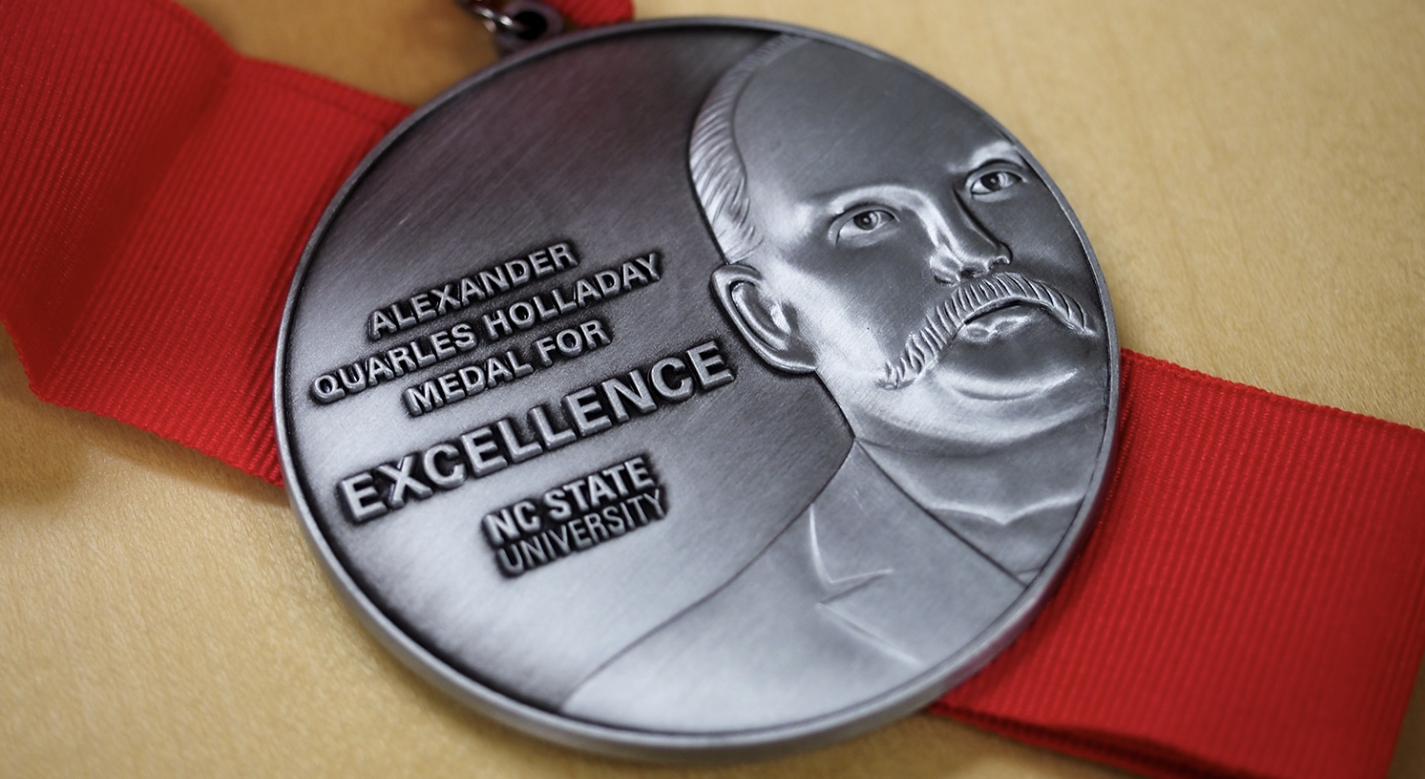
Holladay Medal Award goes to…
Dr. Linda Hanley-Bowdoin has won the Alexander Quarles Holladay Medal for Excellence, the highest honor bestowed by NC State and the university’s Board of Trustees!
Read more.
Leaders in Our Field
Plants and microbes are the foundation of life. Advancing discoveries in plant research is essential to civilization, and that’s exactly what we do.
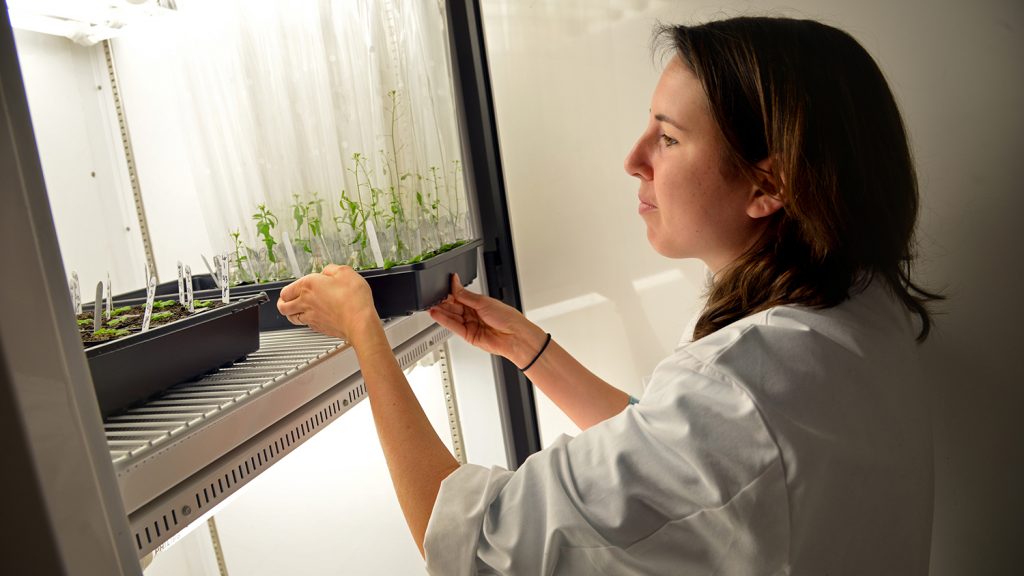
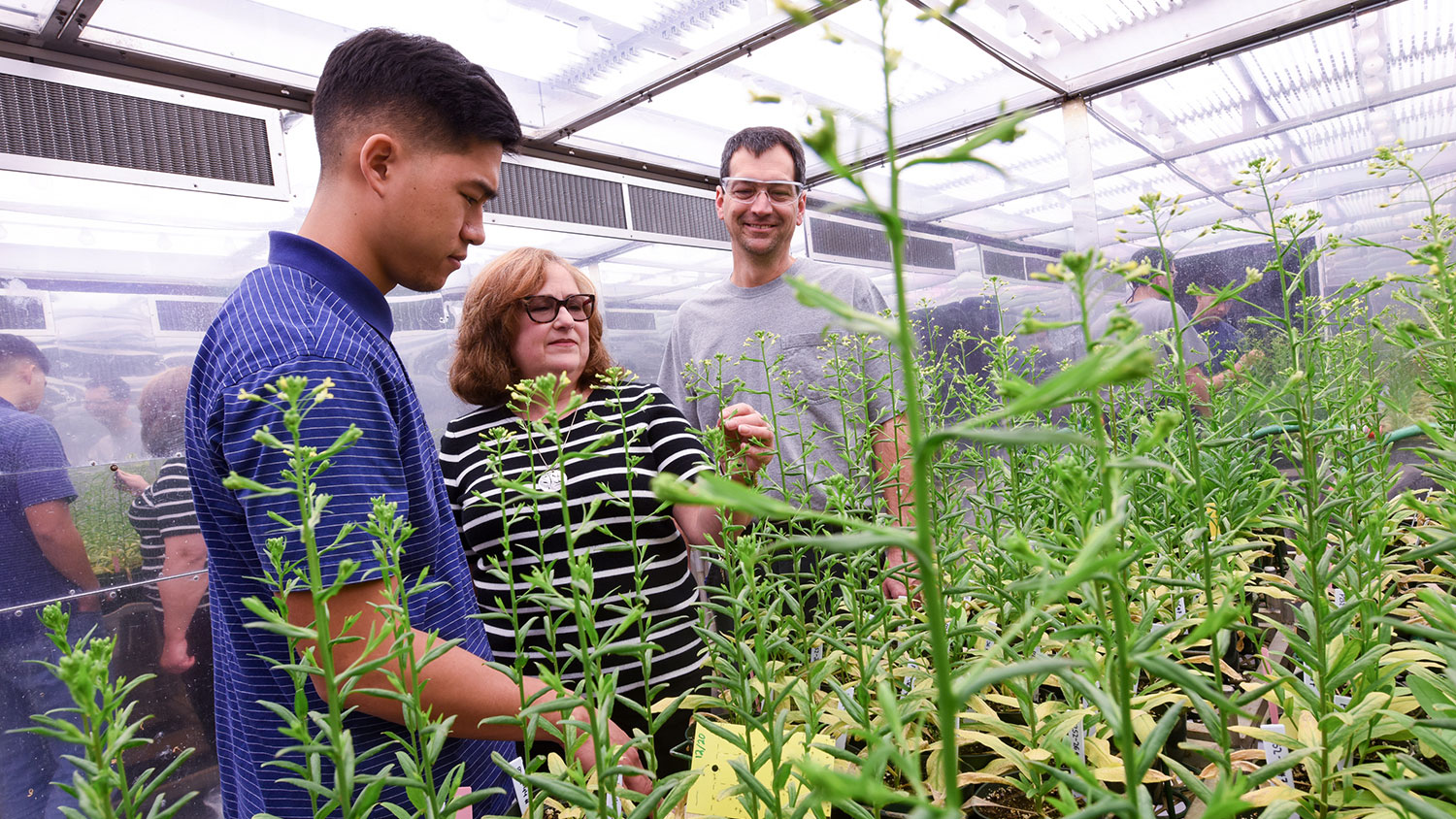
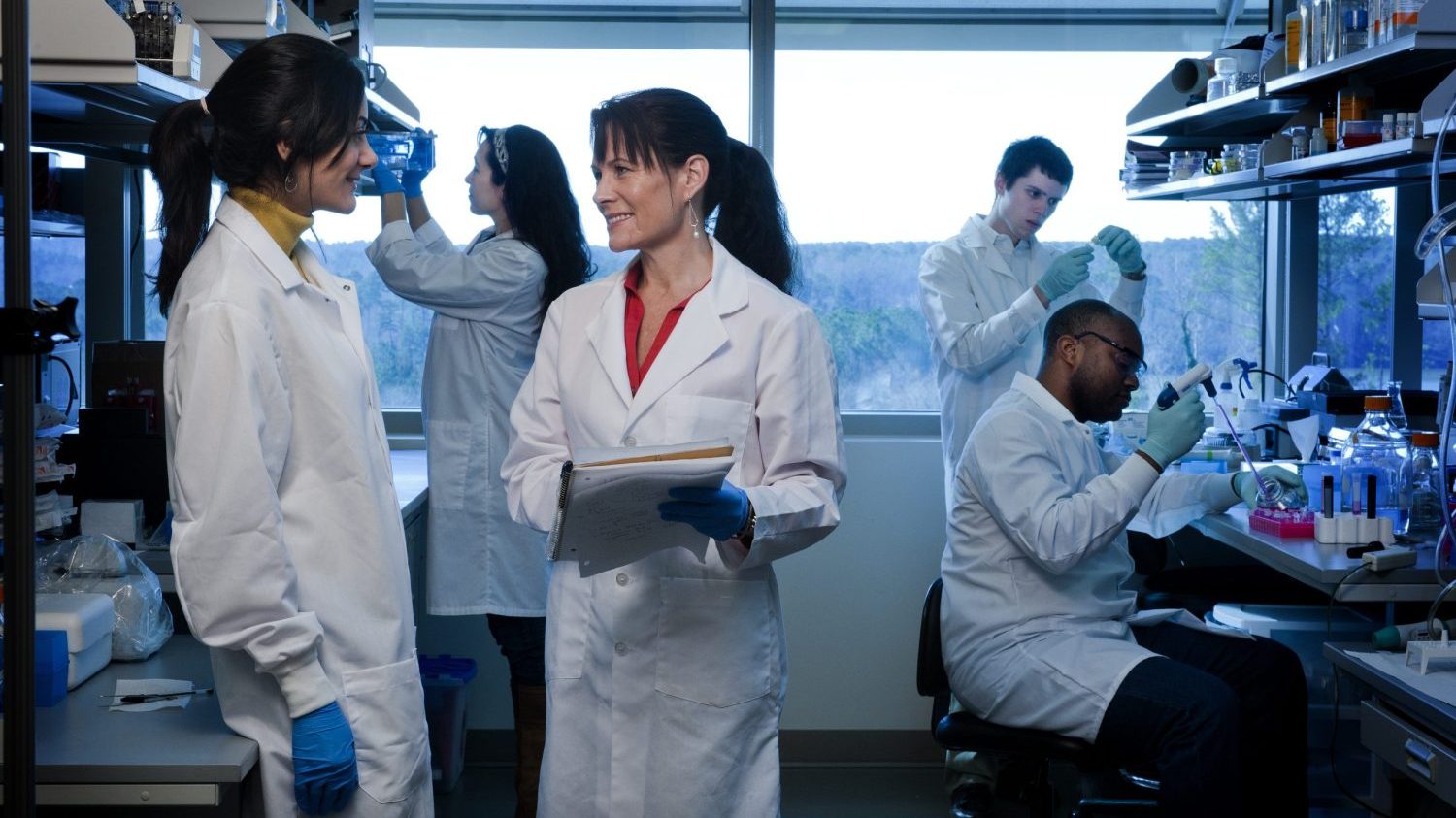
Our undergraduate and graduate students participate in research projects across an array of plant and microbiology disciplines — everything from biotechnology and cell biology to ecology and systematics. Students learn from experts who specialize not only in agriculturally important crops, but also those found in natural ecosystems, and model plants and microorganisms.
Learn more about the Department of Plant and Microbial Biology
Upcoming Events
All EventsConnect With Us