Glossary
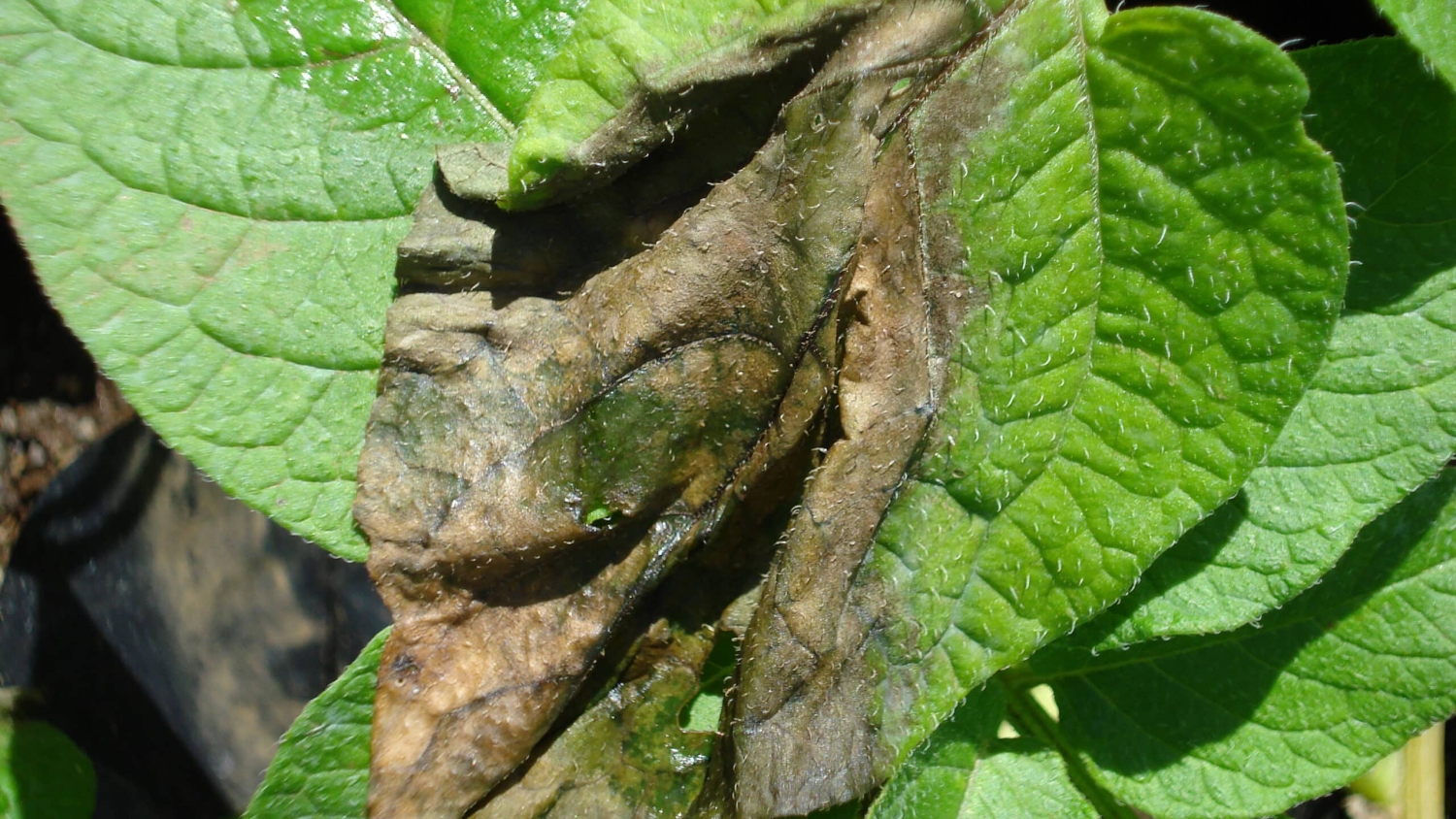
Courtesy of Dr. David Shew, NC State University 
Fact Sheet Index
  ABCDEFGHIJKLMNOPQRSTUVWXYZ

A

abaxial:

the lower surface or underside of a leaf (compare adaxial)

abiotic:

absence of life, a disease not caused by living organisms

abscission:

shedding of leaves or other plant parts (due to disease or other stress) caused by the production of a specialized layer of cells (the abscission layer) that develops at the base of the structure

acervulus: (pl. acervuli):

erumpent structure on host tissue that contains conidiophores, conidia, and sometimes setae

acid:

having a pH of less than 7

adaxial:

the upper surface of a leaf (compare abaxial)

aeciospore:

dikaryotic spore of a rust fungus produced in an aecium; in heteroecious rusts, the spore stage that infects the alternate host

aecium: (pl. aecia; adj. aecial):

the fruiting body of a rust fungus in which the first dikaryotic spores (aeciospores) are produced

aerial:

occurring in the air

aerification:

the act of infusing or forcing air into, for example, soil

aerobic:

living only in the presence of oxygen

aflatoxin:

a mycotoxin; a chemical byproduct (secondary metabolite) produced by the fungi Aspergillus flavus and A. parasiticus, especially in corn and peanuts, that are harmful to humans and other animals

agar:

a jellylike material (complex polysaccharide) derived from algae and used to solidify liquid culture media; term also applied to the medium itself

aggressiveness (general virulence):

level of disease caused by an isolate of the pathogen on a given host species or variety; (no specific interactions between isolates of the pathogen and genotypes of the host are observed)

agro-ecosystem:

an agricultural ecosystem; characterized by uniform, pioneer vegetation with very little diversity, which leads to potential instability; in general, stability in agro-ecosystems is ‘bought' by energy inputs.

allele:

one form of a gene; a gene may have many alleles (forms)

allelopathy: (adj. allelopathic):

ability of one species to inhibit or prevent the growth of another species through the production of toxic substance(s)

alternate host:

one of two different plants that a parasitic fungus (e.g. rust) must infect to complete its life cycle

alternative host:

a plant other than the main host that a parasite can colonize; not required for completion of life cycle of the parasite

amphigynous:

refers to type of fertilization in which the oogonium grows through the antheridium; present in many Phytophthora species (compare paragynous)

amphimixis (adj. amphimitic):

reproduction by a sexual process, (used primarily with nematodes)

anaerobic:

living in the absence of oxygen

anamorph: (adj. anamorphic; syn. imperfect state):

the asexual form in the life cycle of a fungus, when only asexual spores (such as conidia) or no spores are produced

anastomosis: (pl. anastomoses):

fusion between two hyphae or a spore and hyphae; occurs only with closely related organisms

antagonist:

an organism or substance that limits the action of an organism

antheridium: (pl. antheridia):

male sexual organ found in some fungi

anthracnose:

disease caused by acervuli-forming fungi that are characterized by sunken lesions and necrosis

antibiotic:

a chemical compound produced by one microorganism that inhibits or kills other living organisms

apothecium: (pl. apothecia):

cup- or saucerlike ascocarp that produces asci, usually supported on a stalk

appressorium: (pl. appressoria):

swollen, flattened portion of a hyphae or germ tube that adheres to the surface of a plant, and that gives rise to infection hyphae or penetration peg

arbuscule:

Of vesicular-arbuscular mycorrhizae: a much-branched, microscopic haustorial structure of the fungal symbiont that forms within living cortical cells of the root. The interface of the arbuscule with the plant protoplast is a site of exchange of nutrients and growth-regulating chemicals.

ascocarp:

sexual fruiting body of the Ascomycete fungi that produces asci and ascospores; types include: apothecium, cleistothecium, perithecium, pseudothecium

Ascomycetes:

a group of fungi, also called the Ascomycotina, that produces sexual spores (ascospores) within a saclike structure called an ascus

ascospore:

sexual spore of Ascomycetes; spore produced in an ascus

ascus: (pl. asci):

saclike structure that contains ascospores (typically eight) and usually borne in an ascocarp

aseptate:

having no cross walls (septa); nonseptate; coenocytic

asexual:

the imperfect or anamorphic stage of a fungus; without sexual spores;

asexual reproduction:

any type of reproduction not involving the union of gametes and meiosis

AUDPC (abbr. for Area Under Disease Progress Curve):

a measure of the total amount of disease over a period of time, determined from graphs of disease vs. time, which can be used to compare epidemics quantitatively

autoecious:

rust fungus that produces all spore types on one host plant (compare heteroecious)

autotroph:

an organism that synthesizes its own food from inorganic molecules; e.g. plants via photosynthesis (compare heterotroph)

auxin:

plant hormone (growth regulator) that influences growth through cell elongation

avirulent: (syn. nonpathogenic):

organism unable to cause disease on a specific host genotype or variety (compare aggressive and virulent)

avoidance:

lack of disease on a potentially susceptible host that results from the decreased frequency of contact between inoculum and infection court.

Top

B

bactericide:

a chemical or physical agent that kills bacteria

bacteriocin:

a protein antibiotic that is produced and excreted by certain strains of bacteria and that are toxic to closely related strains of the bacterium

bacteriophage:

a virus that infects a bacterium

bacterium: (pl. bacteria):

a prokaryotic, microscopic, single-celled organism with a cell wall that multiplies by binary fission (spliting into two cells)

base:

having a pH greater than 7

basidiocarp:

sexual fruiting body of a Basidiomycete (eg. mushroom)

Basidiomycetes:

a group of fungi, also called the Basidiomycotina, characterized by the formation of basidiospores on basidia

basidiospore:

haploid (1N) sexual spore produced on a basidium

basidium: (pl. basidial):

a club-shaped structure on which haploid basidiospores are produced

basipetal:

downward from the apex toward the base of a shoot;

biflagellate:

having two flagella

binary fission:

a type of asexual reproduction in which two cells, usually of similar size and shape, are formed by ivision of one cell

binomial, Latin:

the scientific name of an organism, composed of two names, the first designating the genus and second the specific epithet, together referred to as the species name

binucleate:

having two nuclei

bioassay:

a test or assay that uses a living organism to detect something

biocide:

a compound toxic to all forms of life

biocontrol: (syn. biological control):

use by humans of one species of organism to eliminate or control another species of organism through the use of competition, parasitism or antagonism between the organisms

biotechnology:

the development of genetically modified organisms through the use of modern technology and processes that includes genetic engineering

biotic:

living or life; diseases caused by living organisms

biotroph:

an organism that can live and multiply only on living cells (compare necrotroph and saprotroph); sometimes used as a synonym of obligate parasite

blight:

sudden, severe, and extensive spotting, discoloration, wilting, or destruction of leaves, flowers, stems, or entire plants

breeding line:

plant genotype used in a plant breeding program because it contains one or more desirable agronomic or breeding characteristics (eg. disease resistance)

broadcast application:

application by spreading or scattering on the soil surface

Top

C

callose:

an amorphous, hardened carbohydrate constituent of plant cell walls that commonly develops upon injury or infection

callus:

specialized tissues that form over a wound or cut in a plant; (compare wound healing)

canker:

a disease symptom on woody stems or trunks. Resembles an open break or wound and often persists from year to year.

canopy:

the expanded leafy top of a plant or plants

capsid:

the protective layer of protein (coat protein) that surrounds the nucleic acid core of a virus

carcinogen:

a substance or agent that causes cancer

causal agent:

organism or agent that causes a disease or injury

cell membrane:

structure that surrounds a cell and helps control the movement of substances into and out of the cell

cell wall:

protective but permeable structure secreted external to the cell membrane in plants, bacteria, fungi, and certain other organisms

cellulose:

carbohydrate polysaccharide composed of glucose units; major component of plant primary cell wall

center of origin:

geographical area where a plant or pathogen originated

chitin:

complex polysaccharide in fungal cell walls, animal xoskeletons, and nematode egg shells

chlamydospore:

thick-walled or double-walled asexual resting spore formed from hyphal cells (terminal or intercalary) or by transformation of conidial cells that can function as an overwintering stage

chlorophyll:

one of a group of green pigments found in chloroplasts and important in photosynthesis

chloroplast:

disklike structure containing chlorophyll in which photosynthesis occurs

chlorosis (adj. chlorotic):

yellowing brought about by failure of chlorophyll development caused by a disease or a nutritional disturbance

chromosome:

the structure that contains the genes of an organism; in eukaryotes, chromosomes are in the nucleus and can be visualized with an optical microscope as threads or rods during meiosis and mitosis; in bacteria, the chromosome is usually a single circle of DNA that cannot be visualized with an optical microscope

chronic:

slow-developing, persistent, or recurring symptoms (compare acute)

circulative transmission:

virus transmission characterized by a long period of acquisition followed by a latent period of several hours before the vector is able to transmit the virus; retention of the virus by the vector can be a long period, usually several days; the virus circulates in the body of the vector

cirrhus: (pl. cirrhi):

a curled, tendril-like mass of exuded spores, held together by a slimy matrix

clamp connection:

a bridge between hyphal cells; occurs in Basidiomycetes,

clavate: (or claviform):

club-shaped

cleistothecium: (pl. cleistothecia):

a spherical, closed ascocarp

clone:

n. a population of cells or organisms of identical genotype; v. the vegetative propagation of an organism to produce a population of identical individuals; the use of in vitro recombination techniques to insert a particular DNA sequence into a vector

coalesce:

grow together into one spot

coat protein:

the protective protein layer that surrounds the nucleic acid of a virus

coccus: (pl. cocci):

a spherical (or near-spherical) bacterial cell

codon:

a particular sequence of three nucleotides in a nucleic acid that codes for a specific amino acid or termination of a polypeptide chain

Coelomycetes:

a group of fungi in the Deuteromycetes that produce pycnidia or acervuli (compare Hyphomycetes)

coenocytic:

having multiple nuclei embedded in cytoplasm without cross walls; nonseptate

collar:

the portion of the seedling or plant near the soil surface

colonization:

establishment and ramification of a pathogen within a host plant; occurs after infection

colonize:

to ramify through plant tissue via growth of a pathogen

colony:

growth of a microorganism in mass, especially as a pure culture

colony forming unit: (abbr. cfu):

the number of colonies formed per unit of volume or weight of a cell or spore suspension

compartmentalization:

isolation of a specific tissue area by host barrier tissues

complete resistance:

prevents growth and reproduction of the pathogen such that pathogen populations decline very sharply. Complete resistance is almost always resistance to the pathogen

concentric:

one circle within another with a common center

conidiogenesis:

the formation of asexual spores (conidia)

conidiophore:

simple or branched hypha on which conidia are produced

conidium: (pl. conidia):

an asexual, nonmotile fungal spore

conjugation:

the temporary contact of bacterial cells during which genetic material is transferred (directed by plasmids)

conk:

a shelf-like, typically hardened basidiocarp of a wood decaying fungus, usually a polypore

continuous cropping:

growing the same crop in the same location repeatedly

coremium: (pl. coremia; syn. synnema):

compact or fused, generally upright conidiophores, with branches and spores forming a headlike cluster

cork:

external protective tissue of a stem or root, impermeable to water and gasses; the primary component of bark; also a structural wound response in many plants

cortex: (adj. cortical):

region of parenchyma tissue between the epidermis and the phloem in stems and roots; region beneath the rind of a sclerotium

cotyledon:

a seed leaf, one in moncots and two in dicots;

crop rotation:

the successive planting of different crop species in an area; used to improve soil fertility and reduce disease and pest problems

cross-fertilization:

a process in which sexual reproduction occurs as a result of the fusion of sex cells from different individuals

cross-pollination:

transfer of pollen from the anthers of one flower to the stigma of another flower

cross-protection:

the process whereby a normally susceptible host is infected with a less virulent pathogen (usually a virus) and thereby becomes resistant to infection by a second, usually related, more virulent pathogen

crown:

upper dome of tree, bearing leaves, flowers, and fruits; or junction of root and stem of a plant, usually at the soil line;

cultivar: (abbr. cv.; syn. variety):

a plant type within a species, resulting from deliberate genetic manipulation, which has recognizable characteristics (color, shape of flowers, fruits, seeds and height or form)

cultural practices:

how plants are grown, including application of nutrients, irrigation practices, types of cultivation, etc.; also a method used for disease management

culture:

growth and propagation of microorganisms on nutrient media; growth and propagation of living plants

cuticle: (adj. cuticular):

noncellular outer layer of an insect or a nematode; water-repellent, waxy layer of epidermal cells of plant parts, such as leaves, stems and fruit

cv.: (abbr. for cultivar; syn. variety):

a cultivated variety of a plant species with recognizable characteristics

cyst:

in fungi, a resting structure in a protective membrane or shell-like enclosure; in nematode females, the egg-laden carcass of a female nematode; in bacteria, a specialized type of bacterial cell enclosed in a thick wall, often dormant and resistant to environmental conditions

cytokinins:

plant hormones (growth regulators) that control cell division and are important for shoot stimulation of callus tissue

cytopathology:

the study of changes induced by disease at the cellular level

cytoplasm:

living protoplasm in a cell, except the nucleus

cytoplasmic inheritance: (maternal inheritance):

inheritance of genes not located in the nucleus, i.e. those in mitochondria and chloroplasts

Top

D

damping-off:

death of a seedling before (preemergence damping-off) or shortly after emergence (postemergence damping-off)

decay:

decomposition of organic matter

deciduous:

a plant that sheds its leaves completely at the end of its annual growth period

defoliation:

loss of leaves from a plant, whether normal or premature

demicyclic:

a rust fungus that lacks the urediniospore

deoxyribonucleicacid: (abbr. DNA):

the double-stranded, helical molecule that contains genetic code information; each repeating unit, or nucleotide, is composed of deoxyribose (a sugar), a phosphate group, and a purine (adenine or guanine) or a pyrimidine (thymine or cytosine) base

desiccate:

to dry out

Deuteromycetes: (syn. Fungi Imperfecti):

group of fungi without a sexual stage; also, the asexual (anamorph) stage of many Ascomycetes and Basidiomycetes

diagnosis:

the art of identifying a disease by the symptoms and signs present

dichotomous:

branching, often successively, into two arms

dicot: (syn. dicotyledon):

plant with two cotyledons or seed leaves

dieback:

plant disease symptom where one or more individual stems or branches start to die at the tip, with the disease spreading down toward the base of the stem.


differential host:

a plant that is used to distinguish between different various strains or races of a given plant pathogen

differential medium:

a culture medium that is used to distinguish between organisms that can grow on it based on colony morphology or other recognizable phenotypes

dikaryon: (adj. dikaryotic):

having two different but sexually compatible haploid nuclei per cell; common in many Basidiomymetes

diploid:

having two complete sets of chromosomes (2N)

Discomycetes:

group of Ascomycetes that produces asci in a cup-like ascocarp called an apothecium

disease:

abnormal functioning of an organism caused by the continuous irritation by a primary causal agent that results in production of symptoms

disease cycle:

sequence of events a pathogen follows to complete its life cycle on a host plant

disease incidence:

number or percentage of plants affected by a disease within a population

disease pyramid:

refers to the addition of time to the disease triangle to indicate disease is not static; it develops over time

disease severity:

the level or intensity of damage done by a disease

disease triangle:

refers to the three components necessary for disease to occur: susceptible plant, pathogen and favorable environment

disinfect:

to eliminate a pathogen from infected plant tissues

disinfest:

to kill pathogens that have not yet initiated disease, or other contaminating microoganisms that occur in or on inanimate objects as such soil or tools, or that occur on the surface of plant parts such as seed

dispersal: (syn. dissemination):

spread of infectious material or pathogen parts (inoculum) from diseased to healthy plants

dissemination: (syn. dispersal):

spread of infectious material or parts of the pathogen (inoculum) from diseased to healthy plants

dodder:

a parasitic seed plant, genus Cuscuta spp., that lacks leaves but has flowers; the yellow filamentous vines are first observed as clumps growing over plants

dominant:

describes a phenotypic trait that is expressed in hybrid progeny of diploid organisms even when contributed by only one of the parents (compare recessive)

dormancy:

"resting" period when growth slows almost to a halt; usually occurs during the dry or cold season of the year.

dormancy: (adj. dormant):

a reversible condition of suspended growth and reduced metabolism of an organism, generally induced by internal factors or environmental conditions as a mechanism of survival

downy mildew:

a plant disease in which the fungus appears as a downy growth on the host surface; caused by a member of the Oomycetes

durable resistance:

single gene resistance that has been stable; no races have ever developed that can overcome the resistance. This is a goal of plant breeding, but you do not know if a gene will be durable unless you deploy it in a population of the pathogen.

dwarfing:

underdevelopment of a plant or plant organs, which may be caused by disease, inadequate nutrition, or unfavorable environmental conditions

Top

E

ecology:

the study of the interactions between an organism and its environment (physical, chemical, and biotic)

economic threshold:

the level of disease or pathogen population where the cost of implementing management practices is less than the loss in crop value if no management strategies are applied

ecosystem:

smallest ‘functional' unit; an ecological community (organisms and their environment) considered to function as a unit; independent via interdependence

ectomycorrhiza: (pl. ectomycorrhizae):

symbiotic association between a nonpathogenic or weakly pathogenic fungus and the roots of plants with fungal hyphae between and external to root cells (see endomycorrhiza)

ectoparasite:

parasite that feeds from the exterior of its host (compare endoparasite)

ectotrophic:

fungal development outside the root surface

edema:

blisters produced on leaves and other plant parts under conditions of high moisture and restricted transpiration

egg mass:

group of eggs held together by a gelatinous matrix; common in root-knot and other nematodes

elicitor:

a molecule produced by the host (or pathogen) that induces a response by the pathogen (or host)

ELISA: (acronym for Enzyme-Linked ImmunoSorbent Assay):

a serological test in which the sensitivity of the reaction is increased by attaching an enzyme that produces a colored product to one of the reactants

emergence:

growth of a seedling shoot through the soil surface

enation:

abnormal outgrowth from the surface of a stem or leaf

encapsidate:

to cover a virus nucleic acid with a protein coat

encyst:

to form a cyst or protective covering; produce a cell wall in the case of motile zoospores

endemic:

native to a particular place; pertaining to a low and steady level of natural disease occurrence

endoconidium: (pl. endoconidia):

a conidium produced inside a hypha or conidiophore

endodermis:

layer of cells within the root that separates the vascular tissue and the cortex

endomycorrhiza: (pl. endomycorrhizae; syn. vesicular-arbuscular mycorrhiza, VA mycorrhiza):

symbiotic association between a nonpathogenic or weakly pathogenic fungus and the roots of plants in which fungal hyphae invade cortical cells of the root

endoparasite:

parasitic organism that lives and feeds from inside its host (compare ectoparasite)

endophyte:

plant developing inside another organism; also used for endoparasitic fungi found in grass species

endospore:

resistant, thick-walled asexual spore formed within a bacterial or fungal cell

enzyme:

protein that catalyzes a specific biochemical reaction

enzyme-linked immunosorbent assay: (acronym ELISA):

a serological test in which the sensitivity of the reaction is increased by attaching an enzyme that produces a colored product to one of the reactants

EPA: (acronym for Environmental Protection Agency):

the federal agency responsible for controlling the various aspects of air, water, and soil pollution, including pesticide regulations

epidemic:

an increase of disease in a population; a general and serious outbreak of disease (epiphytotic)

epidemiology: (adj. epidemiologic):

the study of factors influencing the initiation, development, and spread of infectious disease; the study of disease in populations of plants

epidermis: (adj. epidermal):

surface layer of cells of leaves and other plant parts

epinasty:

abnormal, downward curling of a leaf, leaf part, or stem

epiphyllous:

on the upper surface of a leaf

epiphyte:

organism growing on a plant surface, but not as a parasite

epiphytic:

living on the surface of plants, but not as a parasite

epiphytotic:

an epidemic in a plant population

eradication:

control of plant disease by eliminating the pathogen after it is established or by eliminating the plants that carry the pathogen

ergot:

a disease of certain grasses and cereals, especially rye, caused by Claviceps spp.; a sclerotium, or resting structure, produced by Claviceps species and other closely related fungi in infected flowers of parasitized grain plants

ergotism:

a disease caused by ingestion of grain contaminated with alkaloids of ergot fungi, often called the holy fire or St. Anthony's fire in the Middle Ages

erumpent:

bursting or erupting through the substrate surface

escape:

failure of inherently susceptible plants to become diseased, even though disease is prevalent

ethylene:

a plant hormone influencing various aspects of vegetative growth, fruit ripening, abscission of plant parts, and the senescence of flowers

etiolation:

elongation of stems caused by reduced light intensities

etiology:

the study of the causes of diseases

eukaryote:

an organism containing a membrane-bound nucleus and other organelles, i.e. all higher plants, animals, fungi, and protists (see prokaryote)

exclusion:

control of disease by excluding the pathogen or infected plant material from crop production areas (e.g. by quarantines and embargoes)

extracellular:

outside a cell

extrachromosomal inheritance: (also cytoplasmic or maternal inheritance):

inheritance of genes not located in the nucleus, i.e. those in mitochondria and chloroplasts

exudate:

liquid excreted or discharged from diseased tissues, from roots and leaves, or by fungi

Top

F

f. sp.: (abbr. for forma specialis):

a taxonomic group within a pathogenic species defined in terms of host range, i.e. members of different formae speciales infect different groups of plants

facultative:

capable of changing life-style, e.g. from saprophytic to parasitic or the reverse

facultative parasite:

organism that is normally saprophytic but is capable of being parasitic

facultative saprophyte:

organism that is normally parasitic but is capable of being saprophytic

fallow:

cultivated land kept free from a crop or weeds during the normal growing season

fasciation:

malformation in shoots or floral organs manifested as enlargements and flattening as if several parts were fused

fastidious:

in reference to prokaryotic organisms, having special growth and nutritional requirements

Federal Food, Drug, and Cosmetic Act (acronym FFDCA):

the federal law which sets legal tolerances of pesticides on food products at harvest

Federal Insecticide, Fungicide, and Rodenticide Act (acronym FIFRA):

the federal law which legislates the conditions for use of pesticides

feeder root:

fine root that absorbs water and dissolved nutrients

filamentous (syn. filiform):

threadlike

fission:

form of cell division in prokaryotes

fitness:

the ability of an organism to survive and reproduce; the ability of an organism to pass its genes to the next generation

flaccid:

wilted, lacking turgor

flag:

isolated, wilted or necrotic branch with dead leaves attached

flagellum: (pl. flagella):

hairlike, whiplike, or tinsel-like appendage of a motile cell, bacterium or zoospore that provides locomotion

fleck:

minute, discolored spot in green tissue

flexuous:

capable of bending; with turns

focus: (pl. foci):

small area of diseased plants within a population

foliar:

pertaining to leaves

Food Quality Protection Act (acronym FQPA):

the federal law which sets a health-based standard governing pesticide tolerance levels in food

form genus:

a genus based on morphology and not on evolutionary relationships, such as used for imperfect fungi

forma specialis: (abbr. f.sp.; pl. formae speciales):

a taxonomic group within a pathogenic species defined in terms of host range, i.e. members of different formae speciales infect different groups of plants

fruiting body:

any of various complex, spore -bearing fungal structures

fumigant: (v. fumigate):

a gas or volatile substance used to kill or inhibit the growth of microorganisms or other pests

Fungi Imperfecti: (syn. Deuteromycetes):

group of fungi without a sexual stage; also, the asexual stage of Ascomycetes and Basidiomycetes

fungicidal:

chemical used to control fungal diseases. Despite the name, most fungicides only slow down or prevent the spread of disease; only a few actually kill the fungus.

fungicide:

chemical used to control fungal diseases. Despite the name, most fungicides only slow down or prevent the spread of disease ; only a few actually kill the fungus.

fungicide: (adj. fungicidal):

chemical or physical agent that kills or inhibits the growth of fungi

fungistat: (adj. fungistatic):

compound that inhibits fungal growth or sporulation but does not cause death

fusiform:

spindle-shaped; tapering at each end

Top

G

gall (syn. tumor):

abnormal swelling or localized outgrowth, often roughly spherical, produced by a plant as a result of attack by a fungus, bacterium, nematode, insect, or other organism

gallery:

insect tunnel in bark and wood

gametangium (pl. gametangia):

cell containing gametes or nuclei that act as gametes

gamete:

sex cell

gene:

unit within an organism controlling heritable characteristics; genes are organized on chromosomes

gene-for-gene hypothesis:

the hypothesis that corresponding genes for resistance and avirulence exist in the host and pathogen, respectively

genetic:

relating to heredity; referring to heritable characteristics

genetic code:

the system of triplet codons composed of nucleotides of DNA or RNA that determine the amino acid sequence of a protein

genetic engineering:

the transfer of specific genes between organisms using enzymes and laboratory techniques rather than biological hybridization

genome:

the complete genetic information of an organism or virus

genotype:

genetic constitution of an individual or group; class or group of individuals sharing a specific genetic makeup (see phenotype )

genus (pl. genera):

a taxonomic category that includes a group of closely related (structurally or phylogenetically) species; the genus or generic name is the first name in a Latin binomial

germ theory:

the theory that infectious or contagious diseases are caused by microorganisms (germs)

germ tube:

hypha resulting from an outgrowth of the spore wall and cytoplasm after germination

germinate (n. germination):

begin growth (as of a seed, spore, sclerotium, or other reproductive body)

germplasm:

bearer of heredity material, often loosely applied to cultivars and breeding lines

giant-cell:

enlarged, multinucleate cell formed in roots by repeated nuclear division without cell division induced by secretions of certain sedentary plant-parasitic nematodes

gibberellins:

plant hormones (growth regulators) that affect stem elongation

girdle:

to circle and cut through a stem or the bark and outer few rings of wood, disrupting the phloem and xylem

graft transmission:

transmission of a pathogen from one host plant to another through fusion of living tissue from the diseased host with living tissue of a healthy host

Gram stain:

procedure used for identification of bacteria in which crystal violet stain, Gram's iodine, ethyl alcohol and safranin stain are applied in succession to cells of the bacteria

Gram-negative:

bacteria staining red or pink in the Gram staining procedure after treatment with Gram's stain

Gram-positive:

bacteria staining violet or purple in the Gram staining procedure after treatment with Gram's stain

gravid:

containing an egg or eggs; capable of depositing eggs

growth regulator (syn. hormone):

a chemical substance produced in one part of an organism and transported in minute quantities to induce a growth response in another part, e.g. in plants, auxins, cytokinins, and gibberellins

guard cells:

paired, specialized, epidermal cells that contain chloroplasts and surround a stoma

gum:

gelatinous, sugary aggregate that is synthesized and exuded by plant tissues

gummosis (pl. gummoses):

pathologic condition characterized by excessive formation of gums; the products of cell degeneration

guttation:

exudation of watery, sticky liquid from hydathodes, especially along leaf margins

Top

H

habitat:

a place with a particular kind of environment suitable for the growth of an organism

haploid:

having a single complete set of chromosomes

hardiness:

ability to withstand stress; often used to refer to cold hardiness

haustorium (pl. haustoria):

specialized branch of a parasite formed inside host cells to absorb nutrients (PDF);

head:

in plants, a type of inflorescence in which numerous small flowers are densely crowded on a disk or around a central stalk

heartwood:

central cylinder of nonfunctional xylem in a woody stem (see sapwood)

hemibiotroph:

an organism that lives on living cells for a period of time prior to becoming a necrotroph

herbaceous:

describing primary, soft, nonwoody tissue, as a plant or plant part; having the characteristics of an herb

herbicide:

a chemical used for killing plants or inhibiting plant growth, e.g. a weed or grass killer

heritability:

a measure of the ability of a characteristic to be passed from one generation to the next

hermaphrodite (adj. hermaphroditic):

having both male and female reproductive organs

heteroecious:

pertaining to a rust fungus requiring two unrelated host plants for completion of its life cycle (see autoecious)

heterokaryon (adj. heterokaryotic):

cell with genetically different nuclei

heterosis (syn. hybrid vigor):

increased vigor of hybrid offspring when compared to either parent

heterothallism (adj. heterothallic):

condition in which sexual reproduction can occur only in the presence of genetically different mycelia (see homothallism)

heterotroph:

an organism that obtains nourishment from outside sources and must obtain its carbon from organic carbon compounds (see autotroph )

heterozygous:

having alternate forms (allele) of a gene on homologous chromosomes (see homozygous)

holomorph:

the whole fungus in all its states (see anamorph, teleomorph)

homothallism (adj. homothallic):

condition in which sexual reproduction occurs with a single thallus; self-fertile (see heterothallism)

homozygous:

having the same form (allele) of a gene on homologous chromosomes (see heterozygous)

honeydew:

sugary ooze or exudate, often from aphids, and a characteristic symptom of ergot disease

horizontal resistance:

resistance conferred by multiple minor genes; this resistance is usually partial but effective against most or all races or strains (genetic variants) of a pathogen (see vertical resistance)

hormone (syn. growth regulator):

a chemical substance produced in one part of a an organism and transported in minute quantities to induce a growth response in another part, e.g. in plants, auxins, cytokinins, and gibberellins

host plant:

living plant attacked by or harboring a parasite or pathogen and from which the invader obtains part or all of its nourishment

host range:

the range of plants on which an organism, particularly a parasite, feeds

hyaline:

transparent or nearly so; translucent; often used in the sense of colorless

hybrid (v. hybridize):

offspring of two individuals of different genotypes

hydathode:

epidermal leaf structure specialized for secretion or exudation of water; leaf opening at terminus of vein

hymenium:

continuous, spore-bearing layer of a fungus fruiting body

hyperparasite:

organism that is parasitic upon another parasite

hyperplasia (adj. hyperplastic):

abnormal increase in the number of cells, often resulting in the formation of galls or tumors

hypersensitive:

extremely or excessively sensitive; often refers to an extreme reaction to a pathogen known as the Hypersensitive Reaction

hypertrophy (adj. hypertrophic):

abnormal increase in the size of cells in a tissue or organ, often resulting in the formation of galls or tumors

hypha (pl. hyphae; adj. hyphal):

single, tubular filament of a fungal thallus or mycelium; the basic structural unit of a fungus

Hyphomycetes:

imperfect fungi that produce conidia freely or on a sporodochium or synnema (see Coelomycetes)

hypocotyl:

portion of the stem below the cotyledons and above the root (see epicotyl)

hypovirulence:

(hypo=less than) a reduced ability to cause disease; a strategy used in biocontrol

Top

I

icosahedral: (n. icosahedron):

having 20 faces, as a polyhedral-shaped virus particle (see isometric )

immune:

cannot be infected by a given pathogen

immunoassay:

a detection method based on antibodies specifically selected to react with the substance to be detected (the antigen)

imperfect state (syn. anamorph):

the asexual form in the life cycle of a fungus, when asexual spores (such as conidia) or no spores are produced

in situ:

in its original place or environment

in vitro:

in glass, on artificial media, or in an artificial environment; outside the host

in vivo:

within a living organism

inclusion body:

structure developed within a plant cell as a result of infection by a virus, often useful in identifying the virus

incomplete dominance:

the interaction of alleles of a gene that produces an intermediate phenotype, as in the production of pink flowers when red and white alleles are present in a heterozygous individual

incubation period:

the time between penetration of a host by a pathogen and the first appearance of disease symptoms

indexing:

testing of a plant for infection, often by mechanical transmission or by grafting tissue from it to an indicator plant

indicator plant:

plant that reacts to a pathogen or an environmental factor with specific symptoms, used to detect or identify the pathogen or determine the effects of the environmental factor

infect:

process in which an organism enters, invades, or penetrates and establishes a parasitic relationship with a host plant

infection court:

site in or on a host plant where infection can occur

infection cushion:

organized mass of hyphae formed on the surface of a plant from which numerous infective hyphae develop

infection focus:

initial site of infection, generally with reference to a population of plants

infection peg (syn. penetration peg):

the specialized, narrow, hyphal strand on the underside of an appressorium that penetrates host cells

infectious:

pertaining to disease, capable of spreading from plant to plant

infective:

referring to an organism able to attack a host and cause infection; referring to a vector carrying or containing a pathogen and able to transfer it to a host plant

infest (n. infestation):

to attack as a pest (used especially of insects and nematodes); to contaminate, as with microorganisms; to be present in large numbers

initial inoculum (syn. primary inoculum):

inoculum, usually from an overwintering source, that initiates disease in the field, as opposed to inoculum that spreads disease during the season

injury:

damage caused by transitory interaction with an agent such as an insect, chemical, or unfavorable environmental condition

inoculate (n. inoculation):

to place inoculum in an infection court; to insert a pathogen into healthy tissue

inoculum (pl. inocula):

pathogen or its parts, capable of causing infection when transferred to a favorable location

inoculum density:

a measure of the number of propagules of a pathogenic organism per unit area or volume

integrated pest management (abbr. IPM):

a combination of strategies to reduce losses due to pests and pathogens based on environmental and economic considerations

intercellular:

between or among cells

intercrop:

to grow two or more crops simultaneously on the same area of land

internode (adj. internodal):

the portion of a stem between two successive nodes

interveinal:

between (leaf) veins

intracellular:

through or within cells

isolate:

(n.) a culture or subpopulation of a microorganism separated from its parent population and maintained in some sort of controlled circumstance; (v.) to remove from soil or host material and grow in pure culture

isometric:

usually used for virus particles to describe those that are icosahedral in structure and appear approximately round

Top

J

juvenile:

an immature form that appears similar to but usually smaller than the adult and is not sexually mature (e.g. insects with gradual metamorphosis, nematodes)

Top

K

karyogamy:

the fusion of nuclei

knot:

gall; a localized abnormal swelling

Koch's postulates:

the procedure used to prove the pathogenicity of an organism, i.e. its role as the causal agent of a disease

Top

L

lamina:

expanded part of a leaf (see petiole)

latent:

present but not manifested or visible, as a symptomless infection by a pathogen

latent infection:

infection unaccompanied by visible symptoms

latent period:

the time between infection and the appearance of symptoms and/or the production of new inoculum (sometimes synonymous with incubation period); the time after a vector has acquired a pathogen and before it can be transmitted

LD50 (abbr. for lethal dose 50%):

a measure of relative acute toxicity; the lethal dose of a compound that causes death in 50% of the test animals treated

leaf spot:

a plant disease lesion typically restricted in development in the leaf after reaching a characteristic size

lenticel:

a natural opening in the surface of a stem or tuber, fruit or root for gas exchange

lesion:

localized diseased area or wound

life cycle:

the cyclical stages in the growth and development of an organism

lignification:

hardening of tissue through the deposition of lignin in the cell wall

lignin:

complex organic substance or group of substances that impregnate the cell walls of xylem vessels and certain other plant cells; constitutes wood

local lesion:

small, restricted lesion, often the characteristic reaction of differential cultivars to specific pathogens, especially in response to mechanical inoculation with a virus

lodge:

to fall over

longitudinal:

along the long axis of an organism or object

lumen (pl. lumina):

central cavity of a cell or other structure

Top

M

macerate:

to cause disintegration of tissues by separation of cells; to soften by soaking

macroconidium (pl. macroconidia):

the larger of two kinds of conidia formed by certain fungi (see microconidium)

macrocyclic:

a rust fungus that typically exhibits all five stages of the rust life cycle (see demicyclic, microcyclic)

macronutrient:

an element needed in relatively large quantities for plant growth, e.g. nitrogen (N), phosphorus (P), and potassium (K); (see micronutrient)

maternal inheritance (also cytoplasmic or extrachromosomal inheritance):

inheritance of non-nuclear genes, i.e. those in mitochondria and chloroplasts

mating types:

compatible strains, usually designated + and

mechanical injury:

injury of a plant part by abrasion, mutilation, or wounding

mechanical transmission:

spread or introduction of inoculum to an infection court (wounding) by human manipulation, accompanied by physical disruption of host tissues

medium (pl. media):

a mixture of organic and/or inorganic chemical compounds and water that provides the nutrients needed for the growth of a microorganism in vitro; for higher plants, a mixture of fertilizers and other components in which a plant is growing

meiosis:

process of nuclear division in which the number of chromosomes per nucleus is halved, i.e. converting the diploid state to the haploid state (see mitosis)

microbial:

pertaining to or relating to microbes, or microorganisms

microclimate:

weather conditions on a small scale, e.g. at the surface of the plant or within a crop

microconidium (pl. microconidia):

the smaller of two kinds of conidia formed by certain fungi (see macroconidium)

microcyclic:

describing a rust fungus that produces only teliospores and basidiospores (see demicyclic, macrocyclic)

microflora:

the combination of all microorganisms in a particular environment

micron (syn. micrometer):

one millionth of a meter

micronutrient:

an essential element needed by plants for growth and required in very small amounts (see macronutrient)

microorganism (syn. microbe):

an organism of such small size that it can only be seen as an individual organism with the aid of microscope

microsclerotium:

microscopic, dense aggregate of darkly pigmented, thick-walled hyphal cells

microscope:

an instrument used to see small objects clearly by using light and lenses to magnify an object

middle lamella:

the layer, consisting largely of pectic substances, between the walls of adjacent plant cells

migratory:

migrating from place to place on a plant or from plant to plant when feeding (see sedentary)

mildew:

thin coating of mycelial growth and spores on the surfaces of infected plant parts

mitosis:

nuclear division in which the chromosome number remains the same (see meiosis)

MLO (syn. mycoplasmalike organsim):

archaic term for phytoplasma; plant-parasitic pleomorphic mollicute (prokaryote with no cell wall) found in phloem tissue; cannot yet be grown on artificial nutrient media

mold:

any microfungus with conspicuous, profuse, or woolly superficial growth (mycelium and/or spore masses) on various substrates; especially an economically important saprobe; molds commonly grow on damp or decaying matter and on the surface of plant tissues

mollicute:

one of a group of prokaryotic organisms bounded by flexuous membranes and lacking cell walls (see phytoplasma and spiroplasma)

molt:

to shed a cuticle or body encasement during a phase of growth

monoclonal antibody:

antibody produced from clones of a single antibody-producing cell (see polyclonal antibody)

monocot (syn. monocotyledon):

plant with one cotyledon, such as grasses, grain crops, corn (see dicot)

monoculture:

the growth of the same plant species in close proximity, with few or no other types of plant present

monocyclic:

having one disease or life cycle per growing season (see polycyclic)

monoecious:

having male and female reproductive organs on a single individual (see dioecious)

monogenic:

determined by a single gene (see polygenic)

monoxenic culture:

a culture containing one species of organism growing in the presence of one other species of organism

morphology (adj. morphologic):

the study of the form of organisms; form and structure of organisms

mosaic:

disease symptom characterized by non-uniform coloration, with intermingled normal, light green and yellowish patches, usually caused by a virus; often used interchangeably with mottle

mottle:

disease symptom comprising light and dark areas in an irregular pattern, usually caused by a virus; often used interchangeably with mosaic

movement protein:

for viruses, a protein encoded by the pathogen that is required for spread within an infected plant

mucilaginous:

viscous, slimy

mulch:

layer of material, such as organic matter or plastic, applied to the surface of the soil for purposes such as retention of water and inhibition of weeds

multicellular:

composed of many cells (see unicellular)

multinucleate:

having more than one nucleus per cell (see uninucleate)

multiseptate:

having many septa or crosswalls

mummy:

a dried shriveled fruit; plant part or organ partially or completely replaced with fungal structures

mushroom:

a fleshy fruiting body of a fungus, especially of a Basidiomycete of the family Agaricaceae

mutagen:

a substance that causes a mutation

mutation (n.mutant):

an abrupt heritable or genetic change in a gene or an individual as a result of an alternation in a gene or chromosome, or of an increase in chromosome number

Mycelia sterilia:

a group in the Fungi Imperfecti that does not produce spores, but may produce chlamydospores or sclerotia, e.g. Rhizoctonia and Sclerotium; subsequent research has defined sexual reproduction for some species

mycelium (pl. mycelia, adj. mycelial):

mass of hyphae constituting the body (thallus) of a fungus

mycology:

the study of fungi

mycoparasite:

a fungus that attacks another fungus

mycoplasmalike organism (syn. MLO):

archaic term for phytoplasma; plant-parasitic pleomorphic mollicute (prokaryote with no cell wall) found in phloem tissue; cannot yet be grown on artificial nutrient media

mycorrhiza (pl. mycorrhizae; adj. mycorrhizal):

symbiotic association between a nonpathogenic or weakly pathogenic fungus and the roots of plants (see ectomycorrhiza and endomycorrhiza)

mycotoxin:

poisonous compound produced by a fungus

mycovirus:

a virus that infects fungi

Myxomycetes (syn. slime molds):

saprophytic organisms that form vegetative amoeboid plasmodia and spores

Top

N

necrosis:

death of a plant tissue (leaf, stem, root) or of a part thereof

necrosis (adj. necrotic):

death of cells or tissue, usually accompanied by black or brown darkening

necrotroph:

a parasite that typically kills and obtains its energy from dead host cells (see biotroph)

nectary:

a nectar-secreting gland in a flower

negative sense RNA:

ribonucleic acid complimentary to the positive or plus sense; not translated into protein (see positive sense RNA )

nematicide:

agent, usually a chemical, that kills nematodes

nematode:

nonsegmented roundworm (animal), parasitic on plants or animals, or free living in soil or water

nodule (v. nodulation):

small knot or irregular, rounded lump; on leguminous plants, structures on roots that contain nitrogen-fixing bacteria

nomenclature:

the scheme by which names are attached to objects, including organisms

noninfectious disease:

a disease that is caused by an abiotic agent that cannot be transmitted from one plant to another

nonpathogenic:

unable to cause disease

nonpersistent transmission (syn. stylet-borne transmission):

a type of virus transmission in which the virus is acquired and transmitted by the vector after short feeding times, and is retained by the vector for only a short period of time

nonseptate:

without cross-walls; coenocytic

no-till:

a cultural system most often used with annual crops, in which the new crop is seeded or planted directly in a field on which the preceding crop plants were cut down, had the tops harvested, or were destroyed by a nonselective herbicide (the old crop is not removed or incorporated into the soil as is common in preparing a plant bed)

nucleic acid:

genetic material of all living organisms, including DNA (deoxyribonucleic acid) and RNA (ribonucleic acid)

Top

O

objective:

A lens or system of lenses that forms an image of an object. Allows varying strengths of magnification including 4x, 10x, 40x, etc.

obligate parasite (syn. biotroph):

organism that can grow only as a parasite in association with its host plant and cannot be grown in artificial culture media

occlusion:

block or plug that stops flow of liquids (as in vessels)

oedema (also edema; syn. intumescence):

blisters produced on leaves and other plant parts under conditions of high moisture and restricted transpiration

oogonium (pl. oogonia):

female gametangium of Oomycetes, containing one or more gametes

Oomycetes:

class of fungal-like organisms typically with nonseptate mycelium, asexual sporangia and zoospores, and sexual oospores

oospore:

thick-walled, sexually-derived resting spore of Oomycetes

ooze:

mass of bacterial cells mixed with host fluids

ostiole:

a pore; an opening in the papilla or neck of a perithecium, pseudothecium, or pycnidium through which spores are released

overseason:

to survive or persist from one planting season to the next

overwinter:

to survive or persist through the winter period

ozone:

a highly reactive form of oxygen (O3) that may injure plants

ozone layer:

a protective layer of ozone in the upper atmosphere that reduces ultraviolet radiation

Top

P

PAN (abbr. for peroxyacetyl nitrate):

a component of smog formed when the exhaust of automobiles and other internal combustion engines is in the presence of sunlight

pandemic:

a widespread and destructive outbreak of disease simultaneously in several countries

paragynous:

having the antheridium contact the oogonium on the side, as in many Pythium sp. (see amphigynous)

parasite (adj. parasitic):

organism that lives in intimate association with another organism on which it depends for its nutrition; not necessarily a pathogen

parthenogenesis (adj. parthenogenetic):

reproduction by the development of an unfertilized egg

partial resistance:

resistance that is not complete. Partial resistance is resistance that is quantitatively expressed (levels of resistance), but not necessarily quantitatively inherited. Partial resistance most likely incorporates mechanisms of resistance to the pathogen and disease.

pasteurization:

to free a material, usually a liquid, of selected harmful microorganisms using heat

pathogen (adj. pathogenic):

an entity, usually a microorganism, that can incite disease .

pathogenesis:

stages in disease development

pathogenic:

ability to cause disease

pathology:

the study of diseases

pathotype:

a subdivision of a pathogen species characterized by its pattern of virulence or avirulence to a series of differential host varieties

pathovar (abbr. pv.):

a subdivision of a plant pathogenic bacterial species defined by host range; pathovar for bacteria is equivalent to forma specialis for fungi

pectin:

a methylated polymer of galacturonic acid found in the middle lamella and the primary cell wall of plants; jelly-forming substance found in fruit

penetration:

initial invasion of a host by a pathogen

penetration peg (syn. infection peg):

the specialized, narrow, hyphal strand on the underside of an appressorium that penetrates host cells

penicillin:

antibiotic produced by certain species of Penicillium and effective against Gram-positive bacteria

perennial:

something that occurs year after year; plant that survives for several to many years (see annual, biennial)

perfect:

sexual; capable of sexual reproduction (see teleomorph)

perfect state (syn. teleomorph):

the sexual form in the life cycle of a fungus (see anamorph)

perithecium (pl. perithecia):

flask-shaped or subglobose, thin-walled fungus fruiting body (ascocarp) containing asci and ascospores; spores are released through a pore (ostiole) at the apex

peritrichous:

having hairs or flagella distributed over the whole surface

persistent transmission (syn. circulative transmission):

a type of virus transmission in which the virus is acquired and transmitted by the vector after relatively long feeding times and remains transmissible for a prolonged period while in association with its vector

pest:

any organism that damages plants or plant products

pesticide:

a chemical used to control pests

pH:

negative logarithm of the effective hydrogen ion concentration; a measure of acidity (pH 7 is neutral; values less than pH 7, acidic; greater than pH 7, alkaline)

phellem:

cork; a protective tissue composed of nonliving cells with suberized walls produced by the phellogen and accumulating on the surface of stems and roots

phelloderm:

tissue formed by and internal to the phellogen ; resembles the cortical parenchyma in morphology

phellogen:

cork cambium; lateral meristem forming the periderm, a protective tissue in stems and roots; phellem (cork) is produced toward the surface, phelloderm toward the inside

phenotype:

external, visible physical characteristics of an organism determined by the interaction of its genotype with the environment (see genotype)

phialide:

end cell of a conidiophore with one or more open ends through which a basipetal succession of conidia develops

phloem:

food-conducting, food-storing tissue in the vascular system of roots, stems, and leaves

photosynthate:

product of photosynthesis

photosynthesis:

manufacture of carbohydrates from carbon dioxide and water in the presence of chlorophyll (s), using light energy and releasing oxygen

Phycomycete:

archaic term for a member of a group of fungi without cross walls (septa) in their mycelium

phyllody:

change of floral organs to leaflike structures

phyllotaxy:

arrangement of leaves on a stem in relation to one another

phytoalexin:

substance produced in higher plants in response to a number of chemical, physical, and biological stimuli that inhibits the growth of certain micro-organisms

phytopathogenic:

able to cause disease in plants

phytopathology (syn. plant pathology):

the study of plant diseases

phytoplasma (syn. mycoplasmalike organism, MLO):

plant-parasitic pleomorphic mollicute (prokaryote with no cell wall) found in phloem tissue; cannot yet be grown on artificial nutrient media

phytotoxic:

harmful to plants (usually used to describe chemicals)

plant pathology (syn. phytopathology):

the study of plant diseases

plasmid:

a circular, self-replicating hereditary element that is not part of a chromosome; plasmids are used in recombinant DNA experiments as acceptors and vectors of foreign DNA

plasmodesma (pl. plasmodesmata):

cytoplasmic strands that connect living cells

plasmodium (pl. plasmodia):

naked multinucleate mass of protoplasm moving and feeding in amoeboid fashion

plasmogamy:

the fusion of two sex cells

plasmolysis:

shrinking of a protoplast due to water loss from the vacuole of a plant cell

pleomorphic:

able to assume various shapes (and perhaps sizes); occurrence of more than one distinct form in the life cycle of an organism

ploidy:

the number of (complete) sets of chromosomes in a cell, e.g. haploid, diploid, polyploid

polar:

at one end or pole of the cell

polyclonal antibody:

a preparation containing antibodies against more than one epitope of an antigen (see monoclonal antibody)

polycyclic:

having several to many disease cycles in a growing season (see monocyclic)

polyetic:

requiring more than one year to complete one life or disease cycle

polygenic:

pertaining to, or governed by, many genes (see monogenic )

polyploid:

having three or more complete sets of chromosomes (see haploid, diploid )

pome (syn. pome fruit):

simple, fleshy, indehiscent fruit derived from several carpels, e.g. apple, pear, quince

positive sense RNA:

RNA that can serve directly as messenger RNA (see negative sense RNA)

powdery mildew:

a white, powdery, superficial ascomycetous fungus that is an obligate parasite and generally is found only on one or a few closely related species of plants

predispose:

to make prone to infection and disease

predisposition:

an increase in susceptibility resulting from the influence of wounds or the environment

primary inoculum (syn. initial inoculum):

inoculum, usually from an overwintering source, that initiates disease in the field, as opposed to inoculum that spreads disease during the season

prokaryotic (n. prokaryote):

without internal membrane-bound organelles, lacking a distinct nucleus, such as bacteria and mollicutes (see eukaryotic)

promycelium (pl. promycelia):

in rust and smut fungi, a germ tube issuing from the teliospore and bearing the basidiospores

propagule:

any part of an organism capable of independent growth

protectant:

agent, usually a chemical, applied to a plant surface in advance of a pathogen to prevent infection

protection:

a principle of plant disease control in which a barrier is placed between the susceptible plant and pathogen (e.g. the use of protective chemical dusts or sprays)

protein:

a nitrogen-containing organic compound composed of units called amino acids

protoplasm:

living contents of a cell

protoplast:

living cell exclusive of a wall

proximal:

nearest to the point of attachment (see distal)

pseudothecium (pl. pseudothecia):

perithecium-like fruiting body containing asci and ascospores dispersed rather than in an organized hymenium; an ascostroma with a single locule or cavity and containing bitunicate asci

Puccinia pathway:

the region through which rust urediniospores move from southern areas through all grain-producing areas of the United States to Canada each season

pustule:

small blisterlike elevation of epidermis formed as spores emerge

pustules:

small fruiting bodies of rust fungi that erupt through the surface of a leaf.

pv. (abbr. for pathovar):

a subdivision of a plant pathogenic bacterial species defined by host range; pathovar for bacteria is equivalent to forma specialis for fungi

pycnidia:

(pl.) a tiny, dark, round fruiting body of a fungus. Produces conidia.

pycnidiospore:

spore (conidium) produced in a pycnidium

pycnidium (pl. pycnidia):

asexual, globose or flask-shaped fruiting body of certain imperfect fungi producing conidia

pycniospore (syn. spermatium):

haploid, sexually derived spore formed in a pycnium of rust fungi

pycnium (pl. pycnia; syn. spermagonium):

globose or flask-shaped haploid fruiting body of rust fungi bearing receptive hyphae and pycniospores

Top

Q

quarantine:

legislative control of the transport of plants or plant parts to prevent the spread of pests or pathogens

quiescent:

dormant or inactive

Top

R

race:

subgroup or biotype within a species or variety, distinguished from other races by virulence on certain genotypes (symptom expression, or host range), but not by morphology

receptive hypha:

the part of a rust fungus pycnium (spermogonium) that receives the nucleus of a pycniospore (spermatium)

recessive:

a phenotypic trait that is expressed in diploid organisms only if both parents contribute the trait to the progeny

recombinant DNA:

DNA molecules in which sequences, not normally contiguous, have been placed next to each other by in vitro methods

replication:

i) the process by which a DNA or RNA molecule makes an exact copy of itself; ii) repetition of an experiment or procedure at the same time and place (one of several identical experiments, procedures, or samples); iii) the process by which a virus particle induces the host cell to reproduce the virus

resistant: (n. resistance):

ability of a plant to prevent or impede disease development (see susceptible)

resting spore:

spore, often thick-walled, that can remain alive in a dormant state for a long period of time

restriction endonuclease:

enzyme that cleaves DNA at a particular base sequence; sometimes referred to as a restriction enzyme

reticulate:

having netlike markings

Rhizobium:

genus of bacteria that lives symbiotically with roots of leguminous plants; during the symbiosis, atmospheric nitrogen gas is converted into a form useable by the plant

Rhizobium nodules:

galls on roots caused by Rhizobium spp.

rhizome:

underground stem that is mostly horizontal, jointed, fleshy, and often elongated

rhizomorph:

macroscopic rope-like strand of compacted hyphal tissue formed by certain fungi

rhizosphere:

zone of soil under the influence of the root; soil immediately around plant roots

ribonucleic acid: (abbr. RNA):

several nucleic acids composed of repeating units of ribose (a sugar), a phosphate group, and a purine (adenine or guanine) or a pyrimidine (uracil or cytosine) base; transcribed from DNA and involved in translation to proteins

ribosomal RNA: (abbr. rRNA):

RNA molecules forming part of the ribosomal structure

ribosome:

a subcellular protoplasmic particle, made up of one or more RNA molecules and several proteins, involved in protein synthesis

ringspot:

disease symptom characterized by yellowish or necrotic rings enclosing green tissue, as in some plant diseases caused by viruses

rogue:

to remove and destroy individual plants that are diseased, infested by insects, or otherwise undesirable

root cap:

a group of cells on a root that protects the growing tip

root exudates:

the various compounds that leak from growing and expanding sections of roots (zon of elongation) as well as from broken cells and at exit points of lateral roots

root graft:

the fusion of roots of two adjacent plants so that their water and food conducting (vascular) systems become joined

root hair:

threadlike, single-celled outgrowths from a root epidermal cell

root rot:

reduction of root volume, which becomes brittle and brown to reddish-brown in color. Diseased tissue may be isolated or include the entire root system. Results in limited water and nutrient uptake.

rootstock:

portion of the stem (trunk) and the associated root system into which a bud or scion is inserted in grafting

rosette:

disease symptom characterized by short, bunchy growth habit due to shortened internodes and no comparable reduction in leaf size

rot:

softening, discoloration, and often disintegration of plant tissue as a result of fungal or bacterial infection

rotation:

growth of different kinds of crops in succession in the same field

roundworm:

nematode

rugose:

wrinkled, roughened

russet:

brownish, roughened areas resulting from cork formation