NC STATE UNIVERSITY
College of Agriculture and Life Sciences
Department of Plant Pathology
People

Robert G. Upchurch

Robert G. Upchurch

Associate Professor of Plant Pathology

USDA/ARS Plant Pathologist

  • B.S. (Biological Sciences)
  • M.S. (Microbiology), North Carolina State University
  • Ph.D (Microbiology), North Carolina State University

Research Interests

Pathogen Genetics and Biology

Contribution of metabolite/toxin transporters to pathogen aggressiveness and survival.

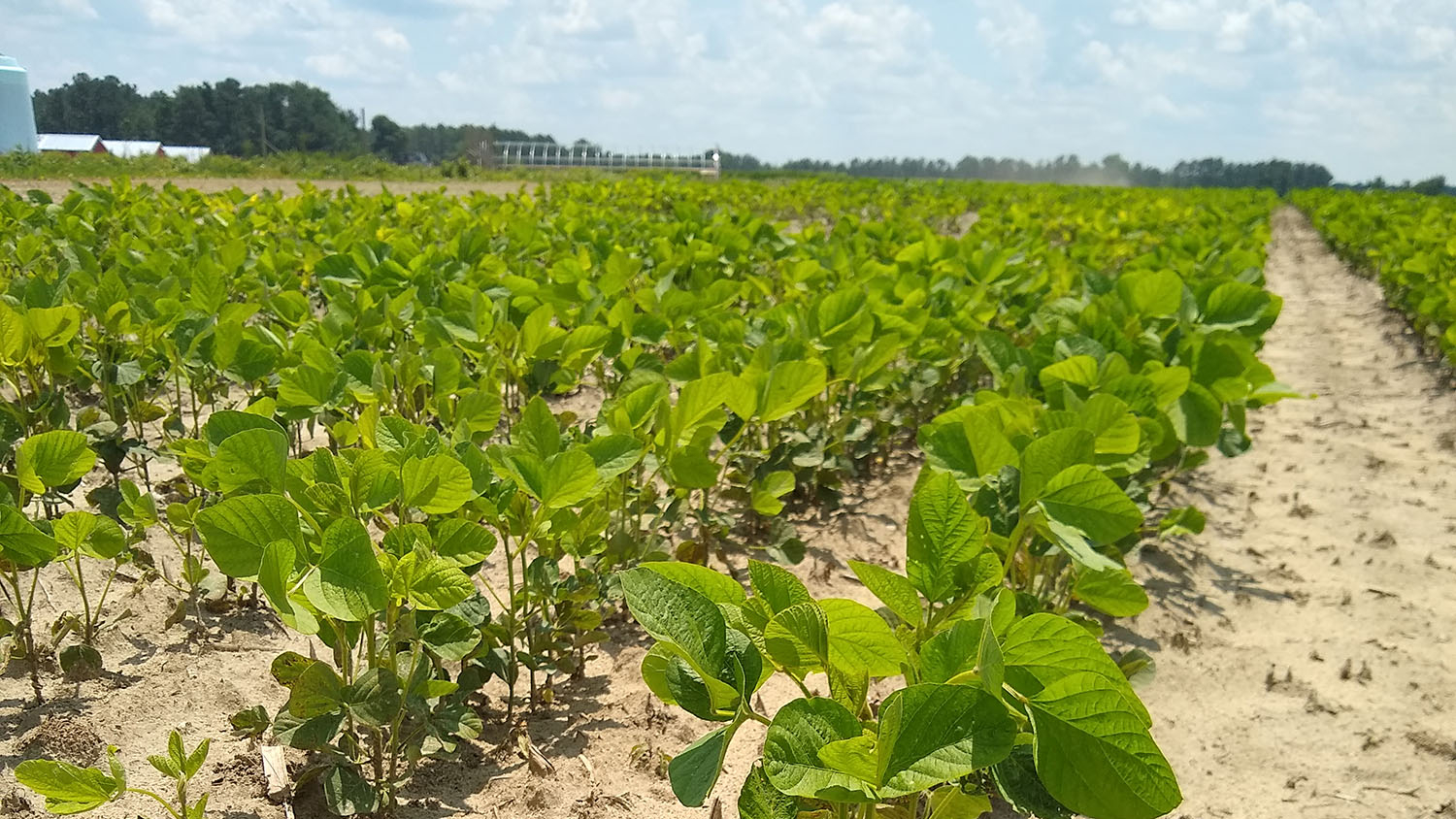
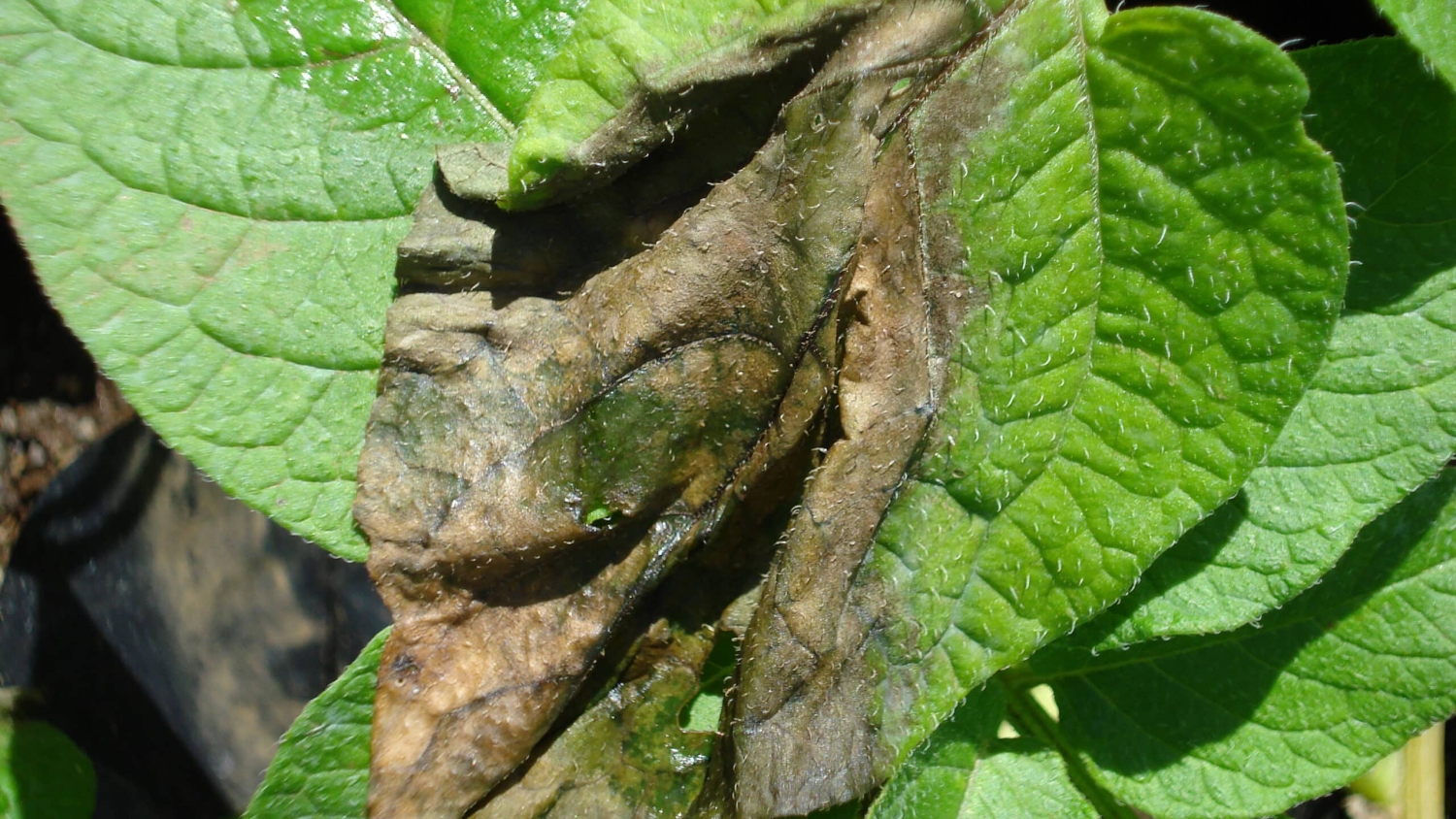
Several fungi are responsible for emerging and reemerging diseases of soybean in the U.S. Included in this group are Fusarium solani f. sp glycines, causative agent of sudden death syndrome, Cercospora kikuchii, causative agent of purple seed stain, and Sclerotinia sclerotiorum, causative agent of stem rot. Among the genes that allow fungi to efficiently parasitize their host and retain survival fitness are the possession of two classes of integral membrane proteins involved in transport. Known as ABC transporters and Major Facilitators, these proteins can function to deliver virulence factors and toxins to the host and to excrete host defense compounds and fungicides thereby avoiding the accumulation of lethal concentrations within the pathogen. Experiments will initially focus on the characterization of transporter function in selected pathogens and the assessment of their contribution to the co-evolution of pathogen and host.

Molecular Approaches to Disease Resistance

Involvement of fatty acid metabolism in the regulation of plant defense.

Commercial demand for soybean oil with enhanced and altered quality traits has lead to the production of soybean lines with significantly altered fatty acid profiles. Recent experiments have shown that a fatty acid desaturase can modulate the expression of defense signaling pathways in plants. Therefore, a second line of research will focus on characterizing the array of defense responses in soybean lines with major alterations in fatty acid content. Of particular interest are near isogenic soybean lines with altered expression of stearoyl-ACP desaturase and levels of stearic acid. The expression of soybean genes specific to defense signaling pathways, including the hypersensitive reaction will be measured as will the disease severity of plants inoculated with selected soybean pathogens. Results may provide a new basis for understanding the processes involved in emerging and reemerging diseases in commercial lines of soybean.

Recent Publications

  • Upchurch R.G., Rose, M.S., Eweida, M., Callahan, T.M. 2002. Transgenic assessment of CFP-mediated cercosporin export and resistance in a cercosporin sensitive fungus. Curr Genet. 41:25-30.
  • Upchurch, R.G., Rose, M.S., Eweida, M. 2001. Over-expression of the cercosporin facilitator protein, CFP, in Cercospora kikuchii up-regulates production and secretion of cercosporin. FEMS Microbiol Lett. 204:89-93.
  • Callahan, T.M., Rose, M.S., Meade, M.J., Ehrenshaft, M., and Upchurch, R.G. 1999. CFP, the putative cercosporin transporter of Cercospora kikuchii, is required for wild type cercosporin production, resistance, and virulence on soybean.Mol. Plant-Microbe Interact. 12:901-910.

Contact Information

Dr. R. Gregory Upchurch
North Carolina State University
Department of Plant Pathology
2403 Gardner Hall - Box 7616
Raleigh, NC 27695-7616
Tel: (919) 515-6996
FAX: (919) 515-7716
Email: greg_upchurch@ncsu.edu