

Specialty Crops
go.ncsu.edu/readext?434842
en Español / em Português
El inglés es el idioma de control de esta página. En la medida en que haya algún conflicto entre la traducción al inglés y la traducción, el inglés prevalece.
Al hacer clic en el enlace de traducción se activa un servicio de traducción gratuito para convertir la página al español. Al igual que con cualquier traducción por Internet, la conversión no es sensible al contexto y puede que no traduzca el texto en su significado original. NC State Extension no garantiza la exactitud del texto traducido. Por favor, tenga en cuenta que algunas aplicaciones y/o servicios pueden no funcionar como se espera cuando se traducen.
Português
Inglês é o idioma de controle desta página. Na medida que haja algum conflito entre o texto original em Inglês e a tradução, o Inglês prevalece.
Ao clicar no link de tradução, um serviço gratuito de tradução será ativado para converter a página para o Português. Como em qualquer tradução pela internet, a conversão não é sensivel ao contexto e pode não ocorrer a tradução para o significado orginal. O serviço de Extensão da Carolina do Norte (NC State Extension) não garante a exatidão do texto traduzido. Por favor, observe que algumas funções ou serviços podem não funcionar como esperado após a tradução.
English
English is the controlling language of this page. To the extent there is any conflict between the English text and the translation, English controls.
Clicking on the translation link activates a free translation service to convert the page to Spanish. As with any Internet translation, the conversion is not context-sensitive and may not translate the text to its original meaning. NC State Extension does not guarantee the accuracy of the translated text. Please note that some applications and/or services may not function as expected when translated.
Collapse ▲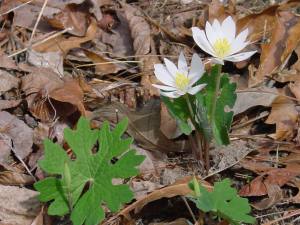
Bloodroot flower
This page contains information on many of the crops and programs we work on other than herbs and organics, so this is where you will find information on vegetables, hops, truffles, hemp, farmland preservation, and more.
The North Carolina Specialty Crops Program was a multi-agency, statewide program dedicated to new crop development. It operated from 1997 to 2008 under the leadership of Barclay Poling (1997-1999), Jeanine Davis (1999-2007), and Bill Jester (2008). The program ended due to lack of funding, but here we have maintained the historical information from the program to continue to serve as a resource on new and specialty crops for farmers, entrepreneurs, and consumers.
Topics
- About
- Industrial Hemp
- NC Hops
- Current Projects
- Completed Projects
- Resources
- Specific Information
- Supporting New Crops & Organics Program
About the Specialty Crops Program
The North Carolina Specialty Crops Program (SCP) was a statewide, multi-agency program dedicated to new crop development. The main headquarters was located at the R.P. Cunningham Research Station, just north of Kinston, North Carolina. The satellite headquarters was located at the Mountain Horticultural Crops Research and Extension Center near Asheville, North Carolina. The SCP had the ability to study various crops on any one of the many research stations located throughout the state. Continue reading >>
Current Projects on Specialty Crops
Hemp
Hemp production was legalized in North Carolina in 2017 under a pilot research program. Since January 1, 2022, North Carolina hemp farmers must be licensed under the USDA Hemp Program. This link will take you to the NC State Hemp Extension page where results from many of our studies across the state are published.
North Carolina Hops
Spurred on by the demands of a burgeoning craft brewing industry and a strong public interest in locally grown ingredients, farmers are experimenting with hops (Humulus lupulus) as an alternative income source. Over the past 14 years, an increasing community of growers across North Carolina have established hop yards and sold their product to local craft breweries and home brewers. Our efforts are now focused on creating new hop varieties for the Southeastern US.
Bamboo as a Commercial Crop
This is a fairly new industry where North Carolina farmers are showing interest in establishing a bamboo plantation with plans to sell young bamboo shoots within a year or two and bamboo timber in five years or so. We are unaware of any faculty currently working on bamboo plantations, but we will post articles about the crop as we find them, such as this one
Improving North Carolina Black Truffle Production
This project was a three year study to help truffle growers monitor their orchards. We continue to maintain our orchards and have been harvesting truffles since 2017.
Eastern Broccoli Industry Project
Information about this multi-state project to develop this industry on the East Coast. This project ends in 2022.
Radish
The 2018 Radish Variety Trial in western North Carolina.
NC Farmlink
This program connects farm seekers with landowners.
Completed Projects
Heirloom Tomatoes
Determine if the new heirloom-type hybrids have consumer acceptance as having the flavor of heirloom tomatoes and can be successfully grown in organic and conventional production systems.
WNC Farm Prosperity Project
Dr. Jeanine Davis received a four-year grant from the USDA National Research Initiative on small farms and rural communities to study farmland preservation techniques and new crop/new agricultural enterprises as a way to enhance small-farm prosperity. This was a cooperative project with Land of Sky Regional Council, the Appalachian Sustainable Agriculture Project, Carolina Mountain Land Conservancy, American Farmland Trust, Southern Appalachian Highlands Conservancy, and Warren Wilson College.
Western North Carolina Forest Products Marketing Project
The project created many useful tools, publications, videos, and an eBook for non-timber forest products producers, buyers, and consumers. This project was funded by federal stimulus funds in the form of a grant.
Luffa Gourds
Luffa sponge products are readily available in the cosmetic and bath section of department stores, discount stores, pharmacies, and specialty shops. The popularity of luffa for personal hygiene products is due to the gentle exfoliating effect the fibers have on the skin. Many environmentally conscious consumers appreciate that luffa products are biodegradable, natural, and a renewable resource. In many other countries luffa is also used to make household cleaning products for scrubbing pots, pans, barbecue grills, tires, and many other surfaces that are not harmed by the abrasive fibers.
Pyrethrum
Pyrethrum (Chrysanthemum cinerariaefolium) is a perennial temperate plant with small, white, daisy-like flowers from which natural insecticides, the pyrethrins, are derived. Traditionally, pyrethrum was produced in many African countries where hand-labor was used to plant, harvest, and dry the crop. Political upheaval, drought, and lack of an organized development and marketing structure resulted in unreliable pyrethrum supplies for US manufacturers.
Archive of Specialty Crops Research Program Conducted in NC
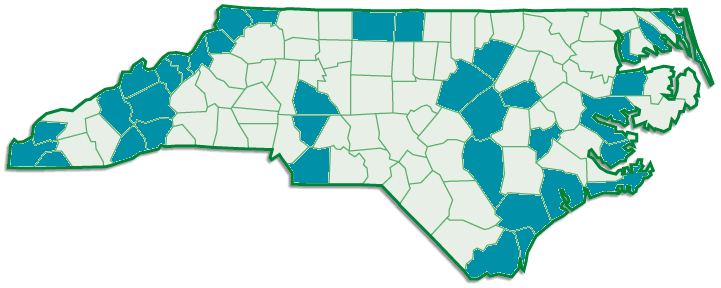
County map of specialty crop research and on-farm trial locations within North Carolina.
From 2002-2004, the NC Specialty Crops Program received funding from the GoldenLeaf Foundation to support a large number of research projects and educational programs throughout North Carolina. Reports on many of these projects can be accessed from this interactive table.
Resources
- Herbicide Carryover in Hay, Manure, Compost, and Grass Clippings
- 2018 Southeastern Vegetable Crop Handbook
- How to Market Specialty Crops
Specific Topic Information
- Agritourism
- Broccoli Harvest and Post-harvesting Handling Tutorial Video
- Luffa Gourds
- Mushrooms
- Ramps
- Vegetables
Supporting New Crops & Organics Program
Our program is almost completely funded by grants and gifts. If you value this program, we would appreciate your financial support. To become a Friend of the NC Alternative Crops and Organics Program, you can donate on-line here or print out this form and mail it in with your check. Thank you for your support!
Reviewed by Jeanine Davis, NC Alternative Crops & Organics Program, Department of Horticultural Science, NC State University on 8/6/2022.